


Python 向下取整语法
在 Python 中,我们可以使用 math 模块的 floor() 函数对一个数进行向下取整。所谓 “向下取整”,指的是返回小于或等于指定数的最大整数。
语法:
math.floor(x)说明:
math.floor(x) 表示返回小于或等于 x 的最大整数。
提示: math.floor() 实现的是 “向下取整” ,而 math.ceil() 实现的是 “向上取整” 。
Python 向下取整示例
接下来,我们通过一个简单的例子来讲解 Python 向下取整是如何实现的。
示例:Python 实现向下取整
import math

print('math.floor(3):', math.floor(3))
print('math.floor(0.4):', math.floor(0.4))
print('math.floor(0.6):', math.floor(0.6))
print('math.floor(-1.1):', math.floor(-1.1))
print('math.floor(-1.9):', math.floor(-1.9))运行结果如下。
math.floor(3): 3
math.floor(0.4): 0
math.floor(0.6): 0
math.floor(-1.1): -2
math.floor(-1.9): -2
分析:
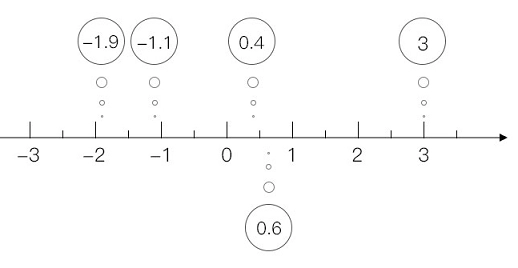
从上面示例可以看出:在 math.floor(x) 中,如果 x 为整数,则返回 x;如果 x 为小数,则返回小于 x 的最近的那个整数。这就是所谓的 “向下取整”,分析如下图所示。